



Safety switch install Sydney
4.8
800+ Reviews
We are currently available
On Our Way in 60 Minutes*
$0
Call Out Fee*
Upfront Pricing
Total Transparency
100%
Workmanship Guaranteed
* subject to booking availability. Fix now pay later terms & conditions apply
Safety Switch Install Sydney
A safety switch cuts power in 30 milliseconds when it detects a fault – fast enough to prevent electrocution. Many Sydney homes, particularly those built before the 1990s, don’t have one on every circuit. Network’s licensed electricians install, test, and replace safety switches across Sydney. It’s one of the most important electrical upgrades you can make.
A safety switch – also called an RCD, or residual current device – is not the same as a circuit breaker. A circuit breaker protects your wiring and appliances from overloads. A safety switch protects people. It monitors the flow of current through a circuit and disconnects power within 30 milliseconds if it detects a leak – including through a person. If your home doesn’t have one on every circuit, it’s an urgent gap to close.

Services Provided By Experienced Sydney Electricians
Take advantage of our latest promos





Why Your Home Needs a safety switch
Electricity doesn’t announce when something goes wrong. A damaged cable inside a wall. A faulty appliance. Moisture in a bathroom fitting. Any of these can create a current leak – and without a safety switch, that fault has nowhere safe to go except through whatever is in its path.
Safety switches detect that fault in real time. The moment current flows somewhere it shouldn’t – even a fraction of the amount needed to cause cardiac arrest – the RCD opens the circuit. The whole process takes around 30 milliseconds. That speed is the difference between a near miss and a fatality.
New Safety Switch Installation – We install RCDs on power and lighting circuits across your home – at the switchboard or as combination RCBO units, to bring your property up to current NSW safety standards.
Safety Switch Replacement – Safety switches have a service life and can fail over time. If yours is tripping constantly, won’t reset, or is more than 10 years old and hasn’t been tested, we replace it with a compliant current-spec unit.
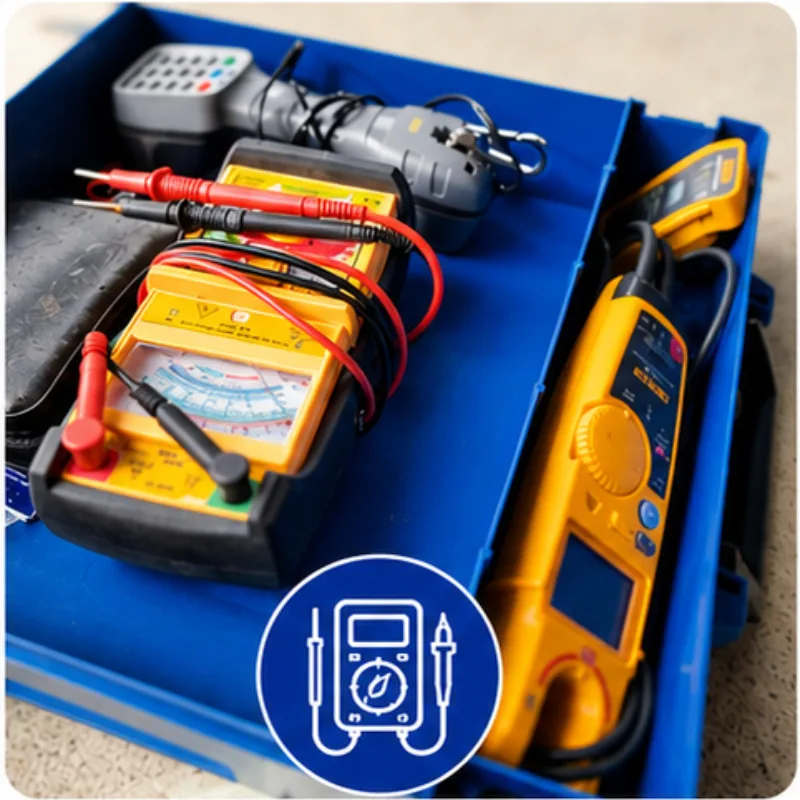
Safety Switch Testing – Australian standards recommend testing your safety switches every three months by pressing the test button, and a full electrician test annually. We test all RCDs, confirm correct operation, and flag any that are underperforming.
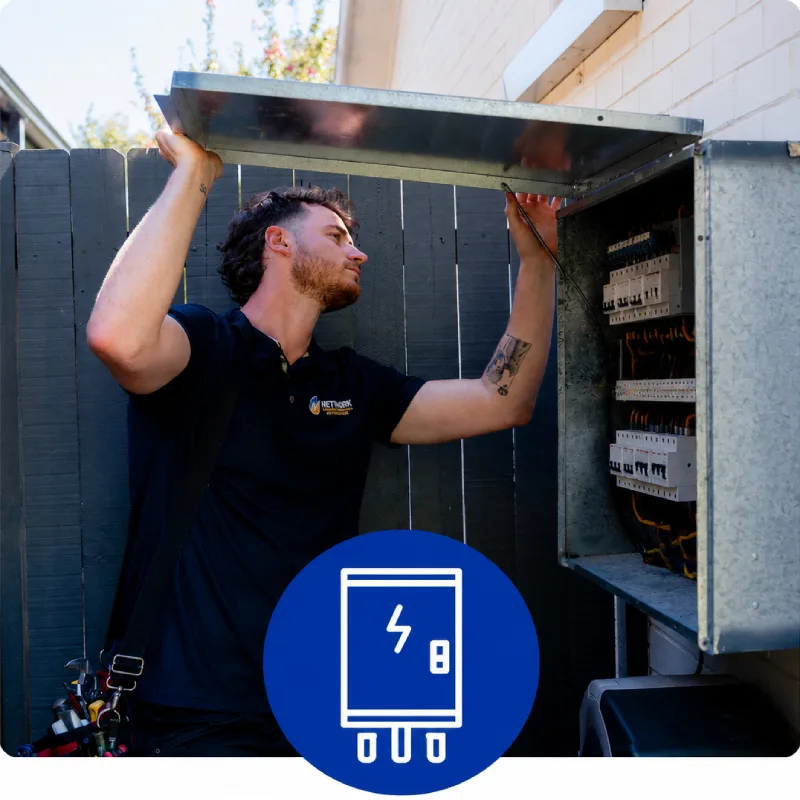
Switchboard RCDs – Installed at the switchboard and protecting entire circuits, the most comprehensive form of safety switch protection for a Sydney home. We install these as part of new switchboard work or as standalone additions to an existing board with capacity.
RCBO Installation – A residual current circuit breaker with overcurrent protection combines an RCD and a circuit breaker in a single unit. Ideal where switchboard space is limited. We install RCBOs across circuits requiring both protection types.
Safety Switch Fault – Investigation If your safety switch keeps tripping and you can’t identify why, there’s an earth leakage fault somewhere on the circuit. We isolate each circuit systematically to locate the source, then fix it.
Signs Your Home May Not Have Adequate Safety Switch Protection
- Your switchboard has ceramic fuses or old rewirable fuse holders – pre-1980s technology with no RCD protection at all
- You can’t find a test button on your switchboard or any power points
- Some circuits in your home have a safety switch but others don’t – lighting circuits are commonly unprotected in older Sydney homes
- Your safety switch trips frequently and you haven’t had it investigated
- Your safety switch won’t reset after tripping
- You’ve never tested your safety switch and don’t know if it’s working correctly
- Your home was built before 1990 and hasn’t had electrical work carried out since
SYDNEY'S LOCAL TRUSTED TECHNICIAN
Welcome to your ultimate guide for finding the best plumbing, electrical, and air conditioning services near you. Whether you are facing an unexpected emergency or planning routine maintenance, we have made it easy to connect with top-rated professionals in your area.
Our trusted network of experts is just a click away, ensuring you receive reliable and high-quality service for all your home needs. Find the right professionals to keep your home running smoothly and efficiently.

Real reviews from real customers
Hear directly from our clients about their experiences with our expert technicians.
 Rating
Great service by Tom on my heat pump!! Thank you

Luke and Kieran came to my mum’s today to do a complete upgrade of her 50 year old circuit board. They were flat out all day and did an amazing job. I couldn’t fault their skill or professionalism. The board looks brand new and they spent a while after the upgrade testing everything in the house. They were very thorough. Really the nicest guys you could ever meet. My 90 year old mum then insisted they come in and she made them coffee and cake. As we all sat around the table I thought this is how business used to be done years ago. My mum is on her own a lot and having coffee with Luke and Kieran made her day. They made her laugh. Thank you. Angela Glover

Excellent service time to time thank u

Luke and Kieran arrived on time and fitted my IXL fan heater and Earth stake and did a great clean up and i am very happy with their work.

Oliver and Joey are very professional and helpful. They listen to what we say and come up with solutions. I would definitely recommend them to friends and others.

New · Powered by HomePro Credit
Fix now, pay later
Don’t put off the hot water system, switchboard upgrade or new air con. Get it done now and spread the cost. Prequalify with HomePro Credit in about a minute, with no impact on your credit score.
Finance provided and subject to approval by HomePro Credit (ABN 60 690 561 507, Australian Credit Licence 574609). Fees, charges, terms and conditions apply.
Safety Switches - FAQs
Do you have more burning questions about ceiling fans, switchboards or your lighting system? Here are some electrical solutions.
Yes –
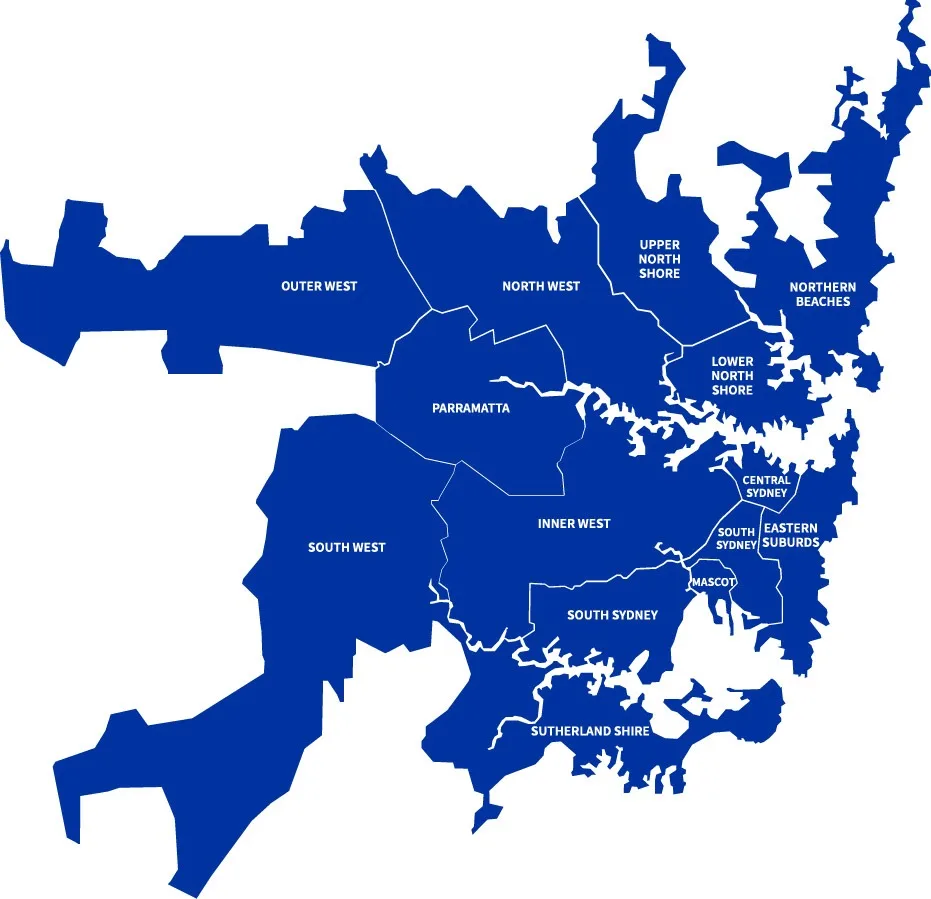
Network’s licensed electricians install and test safety switches across Sydney and Greater Sydney. Older homes in the Inner West, Eastern Suburbs, and Western Sydney are our most common RCD upgrade jobs – many were built before safety switches were standard practice and have never been updated.
We carry out safety switch installations and testing across Parramatta, Surry Hills, Newtown, Balmain, Leichhardt, Bondi, Randwick, Chatswood, Hornsby, Manly, Dee Why, Penrith, Blacktown, Castle Hill, Liverpool, Sutherland, Cronulla, Strathfield, Ryde, Mosman, Lane Cove, and surrounding suburbs.
Step 1 – Assessment Your Network electrician checks the existing switchboard for current RCD coverage, identifies unprotected circuits, and assesses whether your board has capacity to accept new safety switches or RCBOs without a full upgrade.
Step 2 – Upfront Quote You’ll know the cost before any work starts. Multiple circuits or a switchboard that requires additional work will be quoted separately and clearly.
Step 3 – Installation Safety switches are installed at the switchboard level, correctly rated for each circuit. Where switchboard space is limited, RCBOs are used. All work is carried out to AS/NZS 3000:2018.
Step 4 – Testing and Certification Every installed RCD is tested before we leave to confirm correct operation – including trip time and trip current. A Certificate of Electrical Compliance is issued for the work.
A circuit breaker protects your wiring and appliances. It trips when a circuit is overloaded or short-circuits, preventing damage to cables and equipment. A safety switch – or RCD – protects people. It monitors the flow of current and disconnects power within 30 milliseconds if it detects electricity leaking somewhere it shouldn’t, including through a person. Every home needs both. They are not interchangeable.
Look at your switchboard. Safety switches have a small test button labelled “T” or “Test.” If you can’t find one at the board, check your power points – some homes have RCDs fitted directly into specific outlets rather than at the switchboard. If neither is present on all circuits, your home doesn’t have full RCD protection. A Network electrician can inspect your board and confirm coverage in a single visit.
Under AS/NZS 3000:2018, RCD protection is required on all circuits in any new or substantially modified electrical installation in NSW. This means any significant electrical work carried out on your property triggers a requirement to bring the board to current standard. Homes that haven’t had electrical work done are not subject to a retroactive mandate – but any home without safety switches is operating without a critical layer of protection, and that gap creates both safety and liability risk.
A safety switch that trips repeatedly is detecting a real fault – a current leaking somewhere on the circuit. Common causes include a faulty appliance, damaged wiring, moisture in a fitting or connection, or a fault developing inside a wall. The correct response is to unplug appliances one at a time to identify whether one is triggering the trip. If the tripping continues with nothing plugged in, there’s a wiring fault that needs a licensed electrician to locate and fix. Network’s fault finding service handles exactly this.
Australian standards recommend pressing the test button on your safety switch every three months to confirm it trips correctly. A full electrician test – checking actual trip time and trip current against the rated specification – is recommended annually. If your safety switch fails the button test at any point, call an electrician. A switch that doesn’t trip on test is not providing protection.
First, unplug all appliances on the affected circuit and try resetting again. If it resets with appliances unplugged, plug them back in one at a time to identify which one is triggering the fault – then don’t use that appliance until it’s been inspected or replaced. If the switch trips again with nothing connected, there’s a wiring fault that needs investigation. Call Network and we’ll send a licensed electrician to diagnose it.